
Diagnostic Tests
Patient Preparation for Endoscopy and Colonoscopy
You will need to have an empty stomach for 7/8 hours for the endoscopy exam.
Patient Preparation for Colonoscopy Diagnostic Tests
- Eat easily digestible food (rice, lentils, fish, etc.) and drink plenty of water two days before the exam.
- Stop eating meat, vegetables, and iron tablets.
- Take two Duralax tablets two days before the exam, morning and night, after meals, for a total of 4 tablets daily.
- On the day of the exam, drink 20% Osmosol 500ml and 5 liters of water slowly at 8 am on an empty stomach. If diarrhea starts, drink plenty of ORS (food saline). Apart from that, do not eat anything else.
- Some medicines will be required for Full Colonoscopy - which the patient will have to purchase on the day of the exam.
- Bring extra lungi/mexico/clothes.
রোগীর এন্ডোস্কোপি ডায়াগনস্টিক টেস্টের প্রস্তুতি
- এন্ডোস্কোপি পরীক্ষার জন্য আপনার ৭/৮ ঘন্টা খালি পেটে থাকতে হবে।
রোগীর কোলনোস্কোপি ডায়াগনস্টিক টেস্টের প্রস্তুতি
- পরীক্ষার দুই দিন আগে সহজে হজমযোগ্য খাবার (ভাত, ডাল, মাছ ইত্যাদি) খান এবং প্রচুর পানি পান করুন।
- মাংস, শাকসবজি এবং আয়রন ট্যাবলেট খাওয়া বন্ধ করুন।
- পরীক্ষার দুই দিন আগে, সকালে এবং রাতে, খাবারের পরে দুটি করে ডুরালাক্স ট্যাবলেট খান, প্রতিদিন মোট ৪টি ট্যাবলেট।
- পরীক্ষার দিন, খালি পেটে সকাল ৮ টায় ২০% ওসমোসল ৫০০ মিলি এবং ৫ লিটার পানি ধীরে ধীরে পান করুন। যদি ডায়রিয়া শুরু হয়, তাহলে প্রচুর পরিমাণে ORS (ফুড স্যালাইন) পান করুন। তা ছাড়া, অন্য কিছু খাবেন না।
- পূর্ণ কোলনোস্কোপির জন্য কিছু ওষুধের প্রয়োজন হবে - যা রোগীকে পরীক্ষার দিন কিনতে হবে।
- অতিরিক্ত লুঙ্গি/ম্যাক্সি/কাপড় সাথে রাখুন।
More Health Tips:
Practical Health Advice & Medical Guidelines
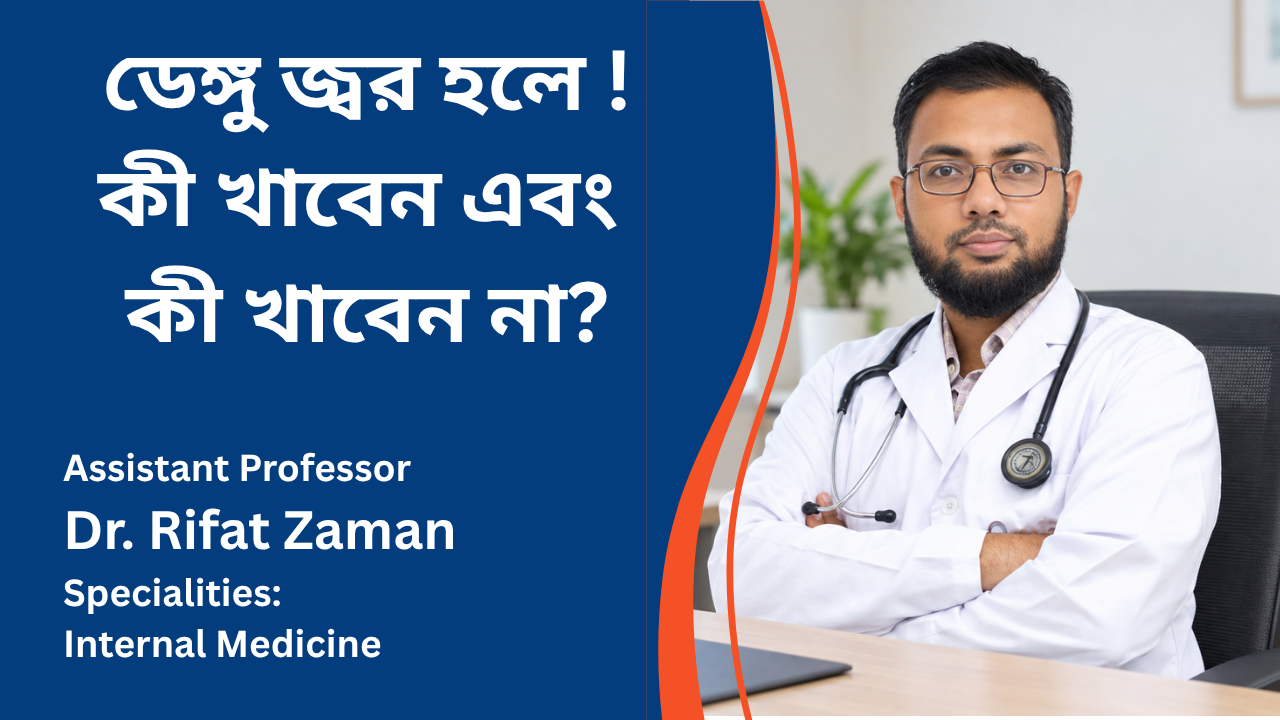


Health Tips
Hot Water vs. Cold Water Bathing in Winter: Benefits and Key Differences
Hot water bathing in winter is widely preferred due to its soothing effect. Warm water helps relax muscles and joints, making it particularly beneficial for people experiencing stiffness, body aches, or arthritis during cold weather. It also improves blood circulation, which can provide temporary relief from fatigue and stress. Additionally, hot showers help open skin pores, allowing dirt and oil to be removed more effectively. However, excessive hot water bathing may dry out the skin, leading to irritation or itching, especially in winter when humidity levels are low.
On the other hand, cold water bathing in winter offers a different set of benefits. Cold water helps tighten skin pores, which can reduce moisture loss and support healthier skin. It also stimulates blood circulation and may boost alertness by activating the nervous system. Some studies suggest that cold showers can enhance immunity and improve mood by triggering the release of endorphins. Despite these advantages, cold water bathing may feel uncomfortable in winter and is not always suitable for individuals with respiratory issues, joint pain, or heart conditions.
In conclusion, both hot and cold water bathing have distinct benefits during winter. Hot water is ideal for relaxation and pain relief, while cold water supports skin health and mental alertness. Choosing the right option depends on personal health, tolerance, and comfort, with moderation being the key to maintaining balance and well-being.