Health Tips
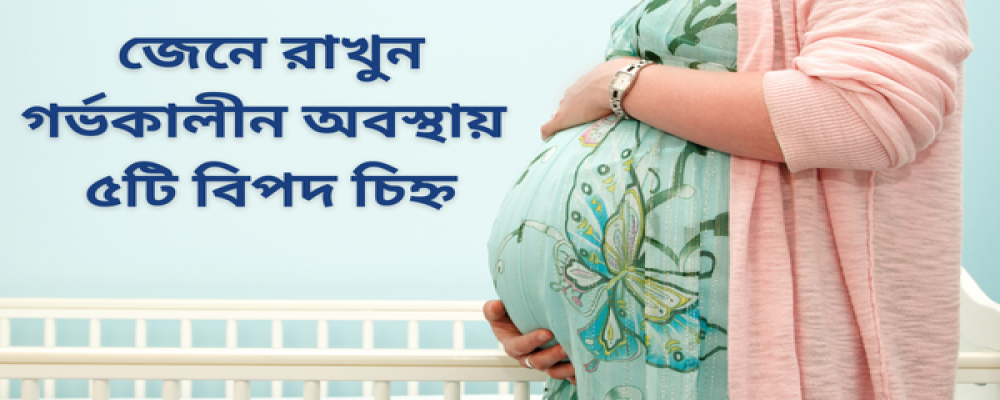
গর্ভকালীন অবস্থায় ৫টি বিপদ চিহ্ন
1. হঠাৎ রক্তস্রাব শুরু হওয়া
গর্ভাব প্রসবের সময় বা প্রসবের পর খুব বেশি রক্তক্ষরণ হওয়া বা গর্ভফুল না পড়া।
2. উচ্চ রক্তচাপ/খিচুনি হওয়া
গর্ভাবস্থায় উচ্চ রক্তচাপ হওয়া এবং গর্ভাবস্থায় বা প্রসবের সময়/প্রসবের পর খিচুনি হওয়া।
3. তলপেটে তীব্র ব্যথা
গর্ভাবস্থার প্রথম দিকে (তিন মাসের মধ্যে) তলপেটে তীব্র ব্যথা, রক্তক্ষরণ বা পেট শক্ত হয়ে যাওয়া।
4. বিলম্বিত প্রসব
প্রসবব্যথা ১২ ঘণ্টার বেশি হওয়া।
5. অস্বাভাবিক প্রসব
প্রসবের সময় বাচ্চার মাথা ছাড়া অন্য কোনো অঙ্গ বের হওয়া।
বিশেষ কিছু সতর্কতা
- গর্ভাবস্থায় বা প্রসবের পর তিন দিনের বেশি জ্বর বা দুর্গন্ধযুক্ত স্রাব বিপজ্জনক। বিশেষ করে গর্ভাবস্থায় যদি কেঁপে কেঁপে ভীষণ জ্বর আসে এবং প্রস্রবের সময় জ্বালাপোড়া হয়।
- গর্ভাবস্থায় বা প্রসবের সময় বা প্রসবের পর যদি মায়ের শরীরে বেশি পানি আসে, খুব বেশি মাথা ব্যথা করে বা চোখে ঝাপসা দেখায়।
- গর্ভাবস্থায় সাধারণত মা ১৬ থেকে ২০ সপ্তাহের মধ্যে বাচ্চার নড়াচড়া অনুভব করেন। পেটের ভেতর বাচ্চা ঘুমায় ও খেলা করে, যার অনুভূতি মা বুঝতে পারেন। বাচ্চার অধিক নড়াচড়া বা কম নড়াচড়া দু'টিই ক্ষতিকর।
- তাই গর্ভাবস্থায় প্রথম ৩৬ সপ্তাহে ন্যূনতম প্রতিমাসে একবার এবং ৩৬ সপ্তাহের পর প্রতি সপ্তাহে একবার করে মাকে ডাক্তার দেখানো উচিত।
5 Danger Signs During Pregnancy
1. Sudden Bleeding
Heavy bleeding during pregnancy, childbirth, or after delivery, or when the placenta does not come out.
2. High Blood Pressure / Convulsions
High blood pressure during pregnancy and convulsions during pregnancy, delivery, or after childbirth.
3. Severe Abdominal Pain
Severe abdominal pain, bleeding, or tightening of the abdomen in the early months of pregnancy (within the first three months).
4. Prolonged Labor
Labor pain lasting more than 12 hours.
5. Abnormal Delivery
During childbirth, if any part of the baby other than the head comes out first.
Special Precautions
- Having a fever for more than three days after childbirth or experiencing foul-smelling discharge is dangerous. Especially if there is severe shivering fever during pregnancy and burning sensation while urinating.
- If, during pregnancy, delivery, or after childbirth, the mother has excessive swelling, severe headache, or blurred vision.
- Normally, a mother feels the baby’s movement between 16 to 20 weeks of pregnancy. The baby sleeps and plays inside the womb, and the mother can feel it. Too much movement or too little movement of the baby can both be harmful.
👉 Therefore, during pregnancy, a mother should see a doctor at least once a month up to 36 weeks, and after 36 weeks, once every week.
More Health Tips:
Practical Health Advice & Medical Guidelines



Health Tips
Hot Water vs. Cold Water Bathing in Winter: Benefits and Key Differences
Hot water bathing in winter is widely preferred due to its soothing effect. Warm water helps relax muscles and joints, making it particularly beneficial for people experiencing stiffness, body aches, or arthritis during cold weather. It also improves blood circulation, which can provide temporary relief from fatigue and stress. Additionally, hot showers help open skin pores, allowing dirt and oil to be removed more effectively. However, excessive hot water bathing may dry out the skin, leading to irritation or itching, especially in winter when humidity levels are low.
On the other hand, cold water bathing in winter offers a different set of benefits. Cold water helps tighten skin pores, which can reduce moisture loss and support healthier skin. It also stimulates blood circulation and may boost alertness by activating the nervous system. Some studies suggest that cold showers can enhance immunity and improve mood by triggering the release of endorphins. Despite these advantages, cold water bathing may feel uncomfortable in winter and is not always suitable for individuals with respiratory issues, joint pain, or heart conditions.
In conclusion, both hot and cold water bathing have distinct benefits during winter. Hot water is ideal for relaxation and pain relief, while cold water supports skin health and mental alertness. Choosing the right option depends on personal health, tolerance, and comfort, with moderation being the key to maintaining balance and well-being.