06 Apr 2026
PLID Treatment Options in Bangladesh: What Patients Need to Know
What is PLID
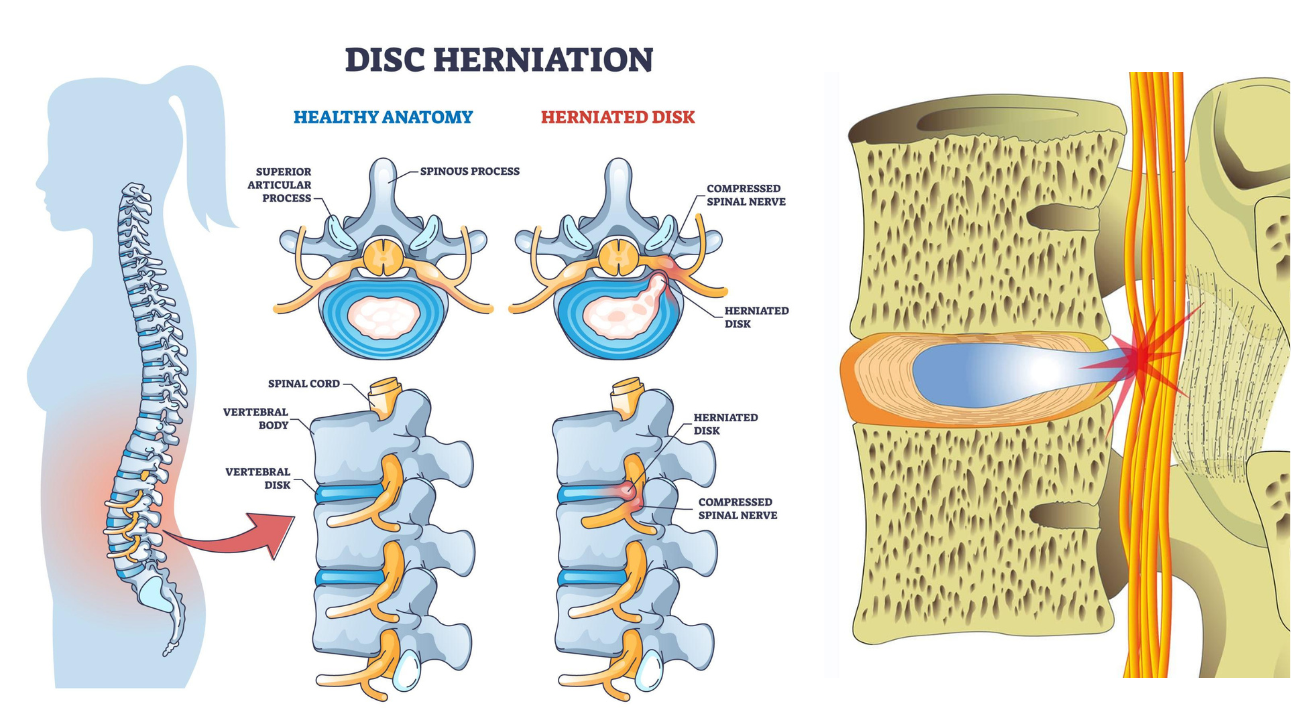
PLID (Prolapsed Lumbar Intervertebral Disc) occurs when the soft inner portion of a spinal disc pushes out through the outer layer. This can compress nearby nerves, leading to pain and neurological symptoms. It commonly affects people aged 30–60 but can occur at any age.
The spine is made up of vertebrae separated by discs that act as shock absorbers. When one of these discs becomes damaged or weakened, it may bulge or rupture, resulting in PLID.
PLID Full Meaning
The full form of PLID is:
Prolapsed Lumbar Intervertebral Disc
Breaking it down:
Prolapsed: Displacement of the disc
Lumbar: Lower back region
Intervertebral Disc: Cushion between spinal bones
Understanding the full meaning helps patients grasp the seriousness of the condition. It clearly indicates that the problem lies in the lumbar spine and involves disc displacement.
PLID Symptoms
PLID symptoms vary depending on the severity and location of the disc prolapse. Some patients may experience mild discomfort, while others suffer from intense pain and neurological issues. Common symptoms include:
Common Symptoms:
- Lower back pain (mild to severe)
- Pain radiating to legs (sciatica)
- Numbness or tingling in legs or feet
- Muscle weakness
- Difficulty walking or standing
Severe Symptoms:
- Loss of bladder or bowel control
- Severe nerve pain
- Reduced mobility
The hallmark symptom of PLID is radiating pain, often extending from the lower back to the legs. This occurs when the prolapsed disc presses on the sciatic nerve. Early symptoms should not be ignored, as they can worsen over time.
Causes of PLID
The spine is made up of vertebrae and discs that act as cushions. When a disc becomes damaged or weak, it can bulge or rupture—leading to pain, numbness, or weakness, especially in the lower back and legs. PLID occurs due to a combination of age-related degeneration and external stress on the spine. Lifestyle factors play a major role in its development.
Main Causes:
Aging and disc degeneration: With age, spinal discs lose water content and elasticity, making them weaker and more prone to rupture.
Sudden injury or trauma: Accidents, falls, or sudden impacts can damage the disc and cause it to slip or herniate.
Poor posture: Sitting or standing incorrectly for long periods puts uneven pressure on the spine, increasing the risk of disc damage.
Heavy lifting: Lifting heavy objects with improper technique places excessive strain on the lower back discs.
Obesity: Extra body weight increases pressure on the spine, accelerating disc wear and tear.
Risk Factors:
Sedentary lifestyle: Lack of physical activity weakens the muscles supporting the spine, making it more vulnerable.
Smoking: Smoking reduces blood flow to spinal discs, leading to faster degeneration.
Genetic predisposition: Some people inherit weaker discs, making them more likely to develop PLID.
Lack of exercise: Without regular exercise, spinal flexibility and strength decrease, increasing the risk of injury.
Over time, spinal discs naturally lose flexibility and strength. When combined with poor lifestyle habits such as prolonged sitting, improper lifting, and lack of physical activity, the risk of disc prolapse increases significantly. Early awareness and healthy habits can help prevent PLID.
PLID Treatment in Bangladesh
PLID treatment in Bangladesh has become more advanced and accessible, offering both non-surgical and surgical options depending on the severity of the condition. Most patients are treated successfully with conservative methods like physiotherapy and medication, while surgery is reserved for severe cases. With the growth of modern healthcare facilities, patients in Bangladesh can now receive effective and evidence-based treatment for PLID in both government and private hospitals.
Key Treatment Options in Bangladesh:
1. Non-Surgical Treatment (First Line)
- Painkillers and anti-inflammatory medications: These medicines are used to control pain and reduce swelling around the affected disc and nerves, providing quick relief.
- Muscle relaxants: Help reduce muscle tightness and spasms that often occur due to nerve irritation from PLID.
- Bed rest (short-term): Short periods of rest reduce pressure on the spine, but prolonged rest is avoided to prevent muscle weakness.
- Lifestyle modification: Includes maintaining a healthy weight, avoiding heavy lifting, and changing daily habits that strain the spine.
- Posture correction: Proper sitting, standing, and sleeping posture helps reduce stress on the spine and supports recovery.
👉 Most patients recover successfully with these methods if treated early.
2. Physiotherapy Treatment (Highly Recommended)
- Stretching and strengthening exercises: These exercises improve flexibility and strengthen the muscles that support the spine, reducing pressure on the disc.
- Manual therapy and spinal mobilization: Hands-on techniques performed by therapists help improve joint movement and relieve stiffness.
- Electrotherapy (TENS, IFT, NMES): Uses electrical signals to reduce pain, improve circulation, and promote healing of affected tissues.
- Postural training: Teaches patients how to maintain correct posture during daily activities to prevent further injury.
👉 Physiotherapy is essential for long-term recovery and prevention.
3. Advanced Non-Surgical Treatments
- Ozone therapy (O₂–O₃ injection): A minimally invasive method that reduces disc size and inflammation, helping relieve nerve pressure.
- Acupuncture therapy: A traditional technique that uses fine needles to stimulate specific points and reduce pain.
- PEMF therapy (electromagnetic treatment): Uses electromagnetic waves to improve blood circulation and reduce inflammation in the affected area.
👉 These treatments are used when standard therapies are not fully effective.
4. Injection-Based Treatment
- Epidural steroid injections: Steroids are injected near the affected nerve to reduce inflammation and provide strong pain relief.
- Nerve root blocks: Target specific nerve roots to block pain signals and reduce severe discomfort.
👉 These are temporary but effective solutions for managing severe pain.
5. Surgical Treatment (For Severe Cases)
Microdiscectomy: A minimally invasive surgery that removes a small portion of the damaged disc to relieve nerve pressure.
Discectomy: Involves removing part or all of the affected disc to eliminate compression on the nerve.
Laminectomy: Removes a portion of the vertebral bone to create more space for the nerves.
Spinal fusion: Joins two or more vertebrae together to stabilize the spine and prevent movement that causes pain.
👉 Surgery is considered when other treatments fail or symptoms become severe.
When Surgery is Recommended:
- Pain lasts more than 6–12 weeks: Indicates that conservative treatments are not effective.
- Severe nerve compression occurs: Causes intense pain, numbness, or tingling in the limbs.
- Weakness or paralysis risk appears: Urgent condition that requires surgical intervention to prevent permanent damage.
Bangladesh has experienced neurosurgeons and spine specialists performing these procedures in major hospitals.
Where to Get PLID Treatment in Bangladesh:
- Government hospitals: Offer affordable treatment and basic surgical services for PLID patients.
- Specialized institutes: Provide advanced rehabilitation programs and expert care for spinal conditions.
- Private clinics and physiotherapy centers: Deliver faster service, modern facilities, and personalized treatment plans.
👉 These centers handle diagnosis, treatment, and rehabilitation.
Important Points to Remember:
- Early treatment prevents complications: Timely care reduces the risk of long-term nerve damage and disability.
- Physiotherapy is effective in most cases: Helps patients recover without the need for surgery.
- Surgery is not always necessary: Only a small percentage of patients require surgical intervention.
- Long-term lifestyle changes are essential: Healthy habits help maintain spinal health and prevent recurrence.
In Bangladesh, PLID treatment usually begins with conservative methods, especially physiotherapy, which focuses on strengthening the spine and reducing nerve pressure. Many patients recover without surgery if they follow proper rehabilitation programs. However, advanced treatments like injections or surgery are available when symptoms become severe or persistent.
Modern healthcare facilities and trained specialists have made PLID treatment more effective and accessible across the country, allowing patients to return to normal life with proper care and guidance.
PLID Operation
PLID surgery is recommended when non-surgical treatments fail to relieve symptoms or when nerve compression becomes severe. The main goal is to reduce pain, restore mobility, and prevent long-term complications.
Types of Operations:
- Discectomy: A surgical procedure where the damaged portion of the disc is removed to relieve pressure on the affected nerve.
- Microdiscectomy: A minimally invasive version of discectomy performed using a microscope, resulting in less tissue damage and faster recovery.
- Laminectomy:Involves removing a small part of the vertebral bone (lamina) to create more space and reduce pressure on the spinal cord or nerves.
- Spinal fusion: A procedure that joins two or more vertebrae together to stabilize the spine and prevent painful movement.
When Surgery is Needed:
- Persistent pain (6–12 weeks): Indicates that conservative treatments like medication and physiotherapy are not effective.
- Severe nerve compression: Causes intense pain, numbness, or tingling that affects daily activities.
- Loss of mobility: Difficulty walking, standing, or performing normal tasks due to nerve damage or weakness.
The primary objective of PLID surgery is to remove the portion of the disc that is pressing on the nerve, thereby relieving pain and improving function. Modern surgical techniques, especially minimally invasive procedures like microdiscectomy, allow for smaller incisions, reduced hospital stay, and quicker recovery. With proper post-operative care and physiotherapy, most patients experience significant improvement and return to normal activities.
Cervical PLID Operation
Cervical PLID refers to a prolapsed disc in the neck (cervical spine), which can press on nerves and affect the arms, shoulders, and hands. Surgery is recommended when symptoms become severe or do not improve with conservative treatment.
Common Procedures:
Anterior Cervical Discectomy and Fusion (ACDF): This procedure involves removing the damaged disc from the front of the neck and then fusing the adjacent vertebrae to provide stability and relieve nerve pressure.
Cervical disc replacement: The damaged disc is removed and replaced with an artificial disc, allowing the spine to maintain more natural movement compared to fusion.
Symptoms Treated:
Neck pain: Persistent or severe pain in the neck caused by nerve compression or disc damage.
Arm pain: Pain that radiates from the neck down to the arms due to affected nerves.
Numbness in hands: Tingling or loss of sensation in the fingers or hands caused by nerve pressure.
Weakness in upper limbs: Reduced strength in the arms or hands, making it difficult to perform daily tasks.
Cervical PLID surgeries are delicate because they involve the upper part of the spine, which is closely connected to the brain and major nerves. Skilled surgeons use advanced techniques to safely remove the damaged disc and relieve pressure on the nerves. Procedures like ACDF stabilize the spine, while disc replacement helps preserve natural movement. With proper care and rehabilitation, most patients experience significant pain relief and improved function.
PLID Physiotherapy Treatment
Physiotherapy is one of the most effective non-surgical treatments for PLID, especially in the early and moderate stages. It helps reduce pain, improve movement, and restore normal function without the need for surgery.
Benefits:
Pain reduction: Physiotherapy techniques help decrease inflammation and relieve pressure on nerves, reducing back and leg pain.
Improved flexibility: Regular exercises increase the flexibility of the spine and surrounding muscles, making movement easier and more comfortable.
Strengthening of muscles: Strengthens the core and back muscles, which support the spine and reduce strain on the affected disc.
Prevention of recurrence: Helps prevent future disc problems by improving posture, strength, and overall spinal health.
Techniques:
Stretching exercises: Gently stretch tight muscles to relieve tension and improve spinal mobility.
Core strengthening: Focuses on strengthening abdominal and back muscles to provide better support for the spine.
Heat and cold therapy: Heat relaxes muscles and improves blood flow, while cold therapy reduces swelling and pain.
TENS therapy: Uses low-voltage electrical stimulation to block pain signals and promote natural pain relief.
Physiotherapy works by strengthening the muscles surrounding the spine, which helps reduce pressure on the damaged disc and improves overall stability. A trained physiotherapist designs a personalized program based on the patient’s condition. With regular sessions and proper guidance, many patients experience significant improvement and can avoid surgery while returning to normal daily activities.
Laser Treatment for PLID
Laser treatment is a modern, minimally invasive option.
How It Works:
- A laser is used to shrink the disc
- Reduces pressure on nerves
Benefits:
- Less pain
- Quick recovery
- No major incision
However, it may not be suitable for severe cases.
Helium Gas Treatment in PLID
Helium-based treatment (also known as disc decompression therapy) is an emerging technique.
Key Features:
- Uses gas to reduce disc pressure
- Minimally invasive
- Performed under imaging guidance
Advantages:
- Short procedure time
- Minimal recovery period
This treatment is not yet widely available but is gaining popularity.
Physiotherapy or Operation Treatment in PLID
Choosing between physiotherapy and surgery depends on several factors.
Choose Physiotherapy If:
- Symptoms are mild to moderate
- No severe nerve damage
- Pain improves with therapy
Choose Surgery If:
- Severe pain persists
- Neurological symptoms worsen
- Daily activities are affected
Doctors usually recommend starting with conservative treatment before considering surgery.
PLID Surgery Cost in Bangladesh
The cost of PLID surgery in Bangladesh varies depending on several factors.
Estimated Cost Range:
Basic surgery: ৳80,000 – ৳150,000
Advanced surgery: ৳150,000 – ৳400,000+
Factors Affecting Cost:
- Hospital facilities
- Surgeon experience
- Type of surgery
- Post-operative care
Government hospitals may offer lower-cost options compared to private hospitals.
After PLID Operation: Problems Faced
A Prolapsed Lumbar Intervertebral Disc (PLID) operation is often performed to relieve nerve compression, reduce pain, and restore mobility. While many patients experience significant improvement after surgery, it is important to understand that recovery is not always completely smooth. Some individuals may face certain challenges during the post-operative period. Being aware of these problems helps patients manage expectations and take appropriate steps for a healthier recovery.
Common Problems After PLID Operation
1. Post-Surgical Pain and Discomfort
It is normal for patients to experience pain after PLID surgery. This discomfort may occur at the surgical site or radiate along the affected nerve. Although the surgery aims to relieve nerve pressure, inflammation around the area can still cause temporary pain. In most cases, this gradually improves with medication, rest, and proper physiotherapy.
2. Nerve-Related Symptoms
Some patients may continue to feel numbness, tingling, or weakness in the legs even after surgery. This happens because the nerve may take time to heal after being compressed for a long period. In rare cases, symptoms may persist if the nerve damage was severe before the operation.
3. Limited Mobility and Stiffness
After a PLID operation, patients are often advised to limit movement for a certain period. This can lead to stiffness in the lower back and surrounding muscles. Without proper rehabilitation, reduced mobility can affect daily activities such as walking, bending, or sitting for extended periods.
4. Risk of Infection
Although uncommon, surgical site infections can occur. Symptoms may include redness, swelling, fever, or discharge from the incision. Early detection and prompt treatment are essential to prevent complications.
5. Recurrence of Disc Herniation
One of the concerns after PLID surgery is the possibility of the disc herniating again. This can happen due to improper posture, heavy lifting, or not following post-operative guidelines. Recurrence rates are relatively low but still significant enough to require caution.
6. Muscle Weakness and Fatigue
Patients may experience muscle weakness, especially in the lower back and legs. This is often due to reduced activity levels during recovery. Fatigue can also occur as the body uses energy to heal.
Psychological and Lifestyle Challenges
Recovery after PLID surgery is not just physical; it can also affect mental well-being. Some patients may feel anxious about movement or fear re-injury. Others may experience frustration due to slow recovery progress. These psychological factors can impact overall healing if not addressed properly.
Additionally, returning to normal daily routines, including work and exercise, can be challenging. Patients who have physically demanding jobs may need more time before resuming full activities.
How to Manage Post-Operative Problems
1. Follow Medical Advice Carefully
Adhering to the surgeon’s instructions is crucial. This includes taking prescribed medications, attending follow-up appointments, and reporting any unusual symptoms immediately.
2. Engage in Physiotherapy
A structured physiotherapy program plays a key role in recovery. It helps improve flexibility, strengthen muscles, and restore normal movement patterns. Gradual progression is essential to avoid strain.
3. Maintain Proper Posture
Correct posture while sitting, standing, and lifting can significantly reduce stress on the spine. Ergonomic adjustments at home and work are highly recommended.
4. Adopt a Healthy Lifestyle
Maintaining a healthy weight, eating a balanced diet, and avoiding smoking can support faster healing. Regular low-impact activities like walking can also enhance recovery.
5. Be Patient with Recovery
Healing after PLID surgery takes time. Patients should understand that improvement may be gradual and varies from person to person. Staying consistent with rehabilitation efforts is key.
When to Seek Medical Attention
Patients should consult their doctor if they experience severe pain, worsening neurological symptoms, high fever, or signs of infection. Early intervention can prevent complications and ensure better outcomes
Conclusion
PLID is a common but manageable spinal condition. With proper diagnosis and timely treatment, most patients can lead a normal and active life. In Bangladesh, a wide range of treatment options is available, from physiotherapy to advanced surgical procedures.
Early intervention, lifestyle modification, and professional medical care are key to successful recovery. Whether choosing physiotherapy or surgery, the decision should always be guided by a qualified specialist to ensure the best outcome.
Read Useful FAQs
PLID stands for Prolapsed Lumbar Intervertebral Disc, a condition where a spinal disc in the lower back slips or ruptures and presses on nearby nerves, causing pain and discomfort.
Yes, most PLID cases can be treated without surgery through physiotherapy, medication, and lifestyle changes, especially if diagnosed early.
Yes, physiotherapy is highly effective. It helps reduce pain, strengthen muscles, improve flexibility, and prevent recurrence.
The cost typically ranges from ৳80,000 to ৳400,000 or more, depending on the hospital, surgeon, and type of procedure.
PLID can become serious if left untreated, especially if it causes nerve damage. Early treatment can prevent complications.
Common symptoms include lower back pain, leg pain (sciatica), numbness, tingling, and muscle weakness. Severe cases may affect mobility.
Surgery is recommended when pain persists for more than 6–12 weeks, or when there is severe nerve compression, weakness, or loss of mobility.
Recovery time varies depending on severity. Mild cases may recover in a few weeks, while severe cases or post-surgery recovery may take several months.
Yes, recurrence is possible if proper care, exercise, and lifestyle changes are not maintained after treatment.
You should consult an orthopedic specialist, neurosurgeon, or spine specialist for proper diagnosis and treatment.

Assoc. Prof. Dr. Raisul Islam
MBBS, FCPS (Surgery), MS (Surgery) BSMMU
I am Associate Professor Dr. Raisul Islam, a highly skilled surgeon specializing in advanced general surgery, laparoscopic surgery, hernia surgery, breast surgery, laser surgery, and laser proctological and colorectal surgery. With over 10 years of experience, I have successfully performed numerous complex laparoscopic and laser colorectal procedures in recent years at SHIP International Hospital and Shaheed Monsur Ali Medical College Hospital, Uttara. Currently, I serve as an Associate Professor of Surgery at Shaheed Monsur Ali Medical College Hospital and as an evening Consultant Surgeon at SHIP International Hospital. Earlier in my career, I worked as an Assistant Professor of Surgery at Enam Medical College and International Medical College Hospital. I obtained my MS (General Surgery) degree from Bangabandhu Sheikh Mujib Medical University (formerly PG Hospital) in 2021. My passion lies in providing advanced surgical care using modern techniques to ensure the best possible outcomes for my patients.
General Surgeon / Surgery Specialist
More Blogs:
Trusted Health News and Wellness Updates
Dr. Mohammad Moniruzzaman
Open Heart Surgery in Bangladesh: Types, Causes, Costs, Hospitals & Doctors
Open heart surgery is a major operation, and many people in Bangladesh undergo it every year. Doctors usually recommend this surgery when the heart has a serious issue that medicines, lifestyle changes, or smaller procedures can no longer fix.
Dr. Mohammad Moniruzzaman
TOF Surgery in Bangladesh: Symptoms, Surgery Cost and Success Rate
Tetralogy of Fallot, also called TOF, is a heart problem that starts at birth. It affects how blood flows from the heart to the lungs. Many children in Bangladesh with this condition need surgery early in life. You may feel stressed when you hear about heart surgery, but clear information helps you stay steady. This guide walks you through TOF, treatment steps, surgery choices, cost, and care.
Dr. Mohammad Moniruzzaman
Heart Valve Replacement in Bangladesh – Symptoms, Types, Steps, Procedure, Cost and Best Hospitals
Heart valve problems can affect your daily life in many ways. You may feel tired, weak, or short of breath. Simple tasks can take more effort. Heart valve replacement gives you a safe way to fix this problem. Many hospitals in Bangladesh now offer strong care for this surgery. You can get good treatment without leaving the country.
Md. Abdus Sabur
Angiogram Cost in Bangladesh – Complete Information
An angiogram is a specialised diagnostic test used to examine the blood vessels of the heart, brain, or other parts of the body. It plays an important role in detecting blockages, narrowing, or abnormalities in arteries and veins. The need for angiograms has increased significantly due to the increasing number of heart disease and blood vessel problems in Bangladesh. Patients often search for the angiogram cost in Bangladesh to plan their treatment effectively. I have listed the cost of angiograms at the top hospitals in Bangladesh.
Assoc. Prof. Dr. Raisul Islam
Piles (পাইলস): Symptoms, Treatment, Cost, Best Doctors, and Hospitals in Bangladesh
Piles is one of the most common health problems in Bangladesh. Yet it remains one of the least discussed. Many people live with pain, bleeding, and discomfort for months or even years before seeking help. The reason is almost always embarrassment.
Md. Abdus Sabur
Heart Ring Price and Surgery Procedure Cost in Bangladesh
Heart block disease is a serious cardiac condition that can significantly affect blood circulation and overall heart function. One of the most effective treatment options for selected patients is heart ring (stent) surgery. In recent years, Bangladesh has made notable progress in cardiac surgery, making heart ring surgery more accessible and affordable for patients.
Dr. Mohammad Moniruzzaman
Bypass Surgery Cost in Bangladesh: Latest Prices, Hospital Comparison & Complete Cost Guide
Bypass surgery is a major open-heart operation designed to bypass blocked or damaged coronary arteries. During the procedure, surgeons take healthy blood vessels from other parts of the body (often the leg or chest) and graft them onto the heart to reroute blood flow around blockages. This helps improve oxygen delivery to cardiac tissue and reduces risks of heart attacks, angina (chest pain), and other serious complications.
Assoc. Prof. Dr. Raisul Islam
Hernia and Hernia Surgery: All Information for Bangladeshi Patients
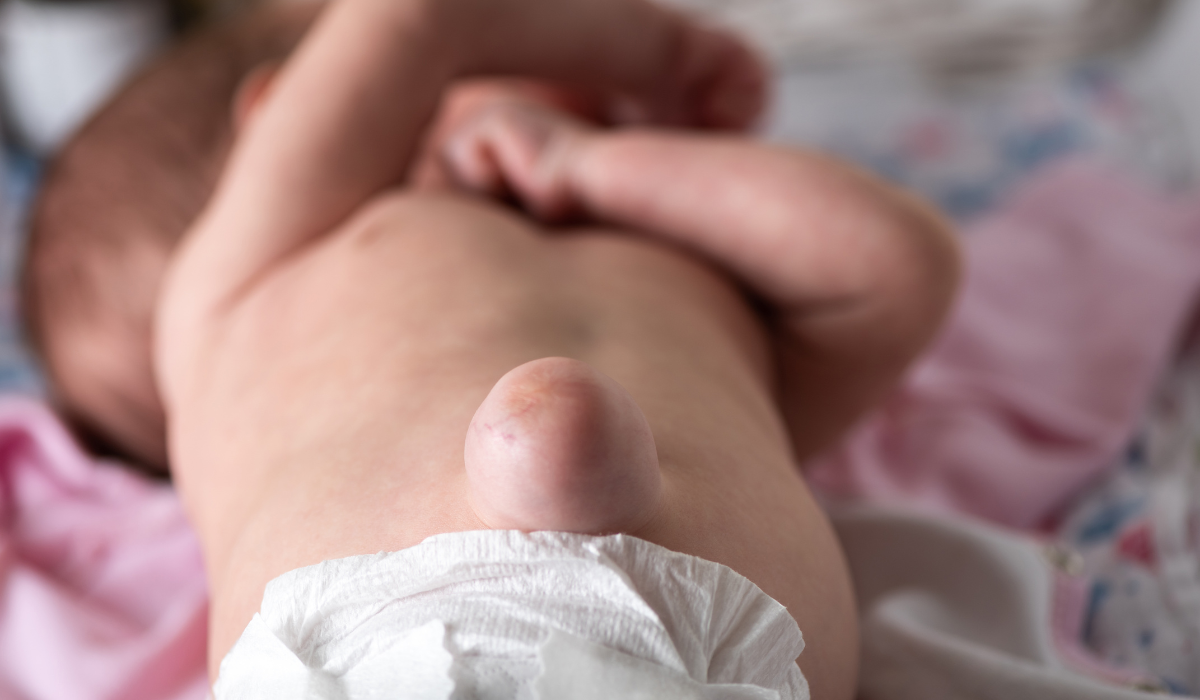
Hernia is a common but treatable condition in Bangladesh. With timely diagnosis and proper surgery, patients can lead a completely normal life. Ignoring hernia symptoms may lead to serious complications, so always consult a qualified surgeon if you suspect a hernia.
Dr. Mohammad Moniruzzaman
এনজিওগ্রাম কী? কেন করা হয়, পদ্ধতি, সময়, ঝুঁকি ও সতর্কতা
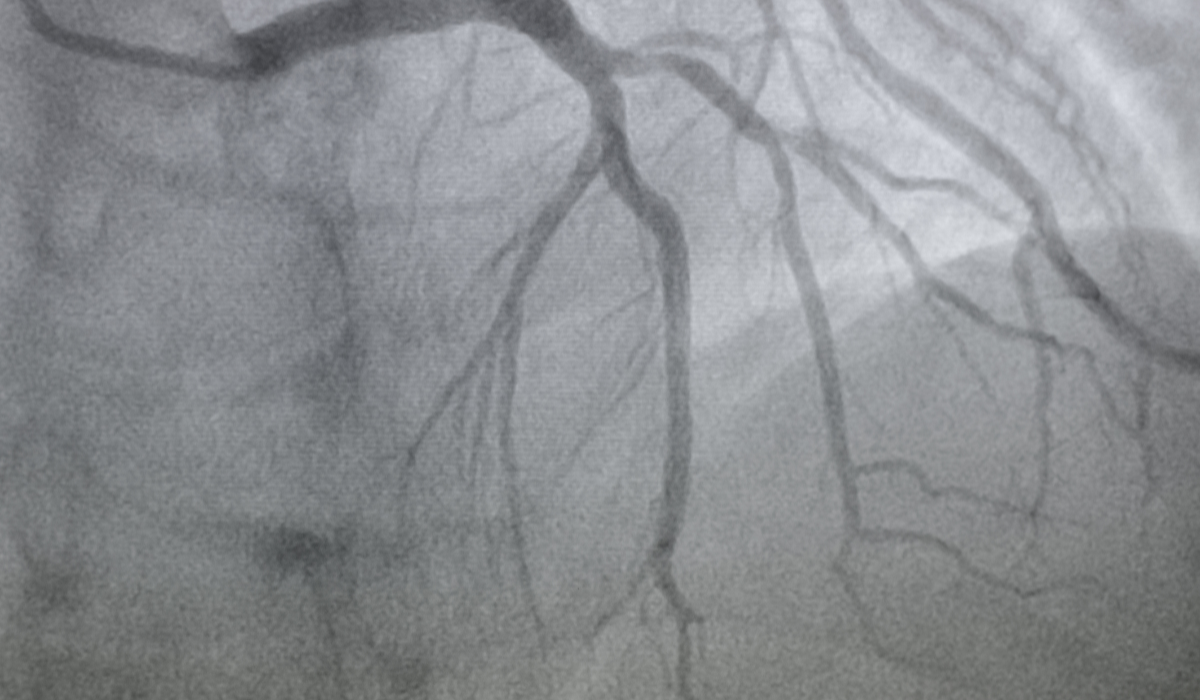
এনজিওগ্রাম একটি আধুনিক ও নির্ভুল মেডিকেল পরীক্ষা, যার মাধ্যমে হৃদপিণ্ডসহ শরীরের গুরুত্বপূর্ণ রক্তনালীগুলোর ভেতরের অবস্থা সরাসরি দেখা যায়। এই পরীক্ষায় বিশেষ কন্ট্রাস্ট ডাই ব্যবহার করে এক্স-রে প্রযুক্তির মাধ্যমে ধমনীর রক্তপ্রবাহ, ব্লক, সংকোচন বা অন্যান্য অস্বাভাবিকতা শনাক্ত করা হয়। হৃদযন্ত্রের ধমনীর ক্ষেত্রে একে করোনারি এনজিওগ্রাম বলা হয়, যা বুকে ব্যথা, হার্ট অ্যাটাকের ঝুঁকি, শ্বাসকষ্ট বা অস্বস্তির সঠিক কারণ নির্ণয়ে অত্যন্ত গুরুত্বপূর্ণ। এনজিওগ্রামের মাধ্যমে চিকিৎসক ব্লকের পরিমাণ ও অবস্থান নির্ধারণ করে পরবর্তী চিকিৎসা—ওষুধ, স্টেন্ট বা বাইপাস সার্জারি—নেওয়ার সিদ্ধান্ত নিতে পারেন। আধুনিক ক্যাথল্যাব ও অভিজ্ঞ কার্ডিওলজিস্টের তত্ত্বাবধানে এই পরীক্ষা নিরাপদ, দ্রুত এবং জীবনরক্ষাকারী ভূমিকা পালন করে।
Dr. Mohammad Moniruzzaman
Open Heart Surgery in Bangladesh: Causes, Cost, Best Hospitals, and Recovery Guide
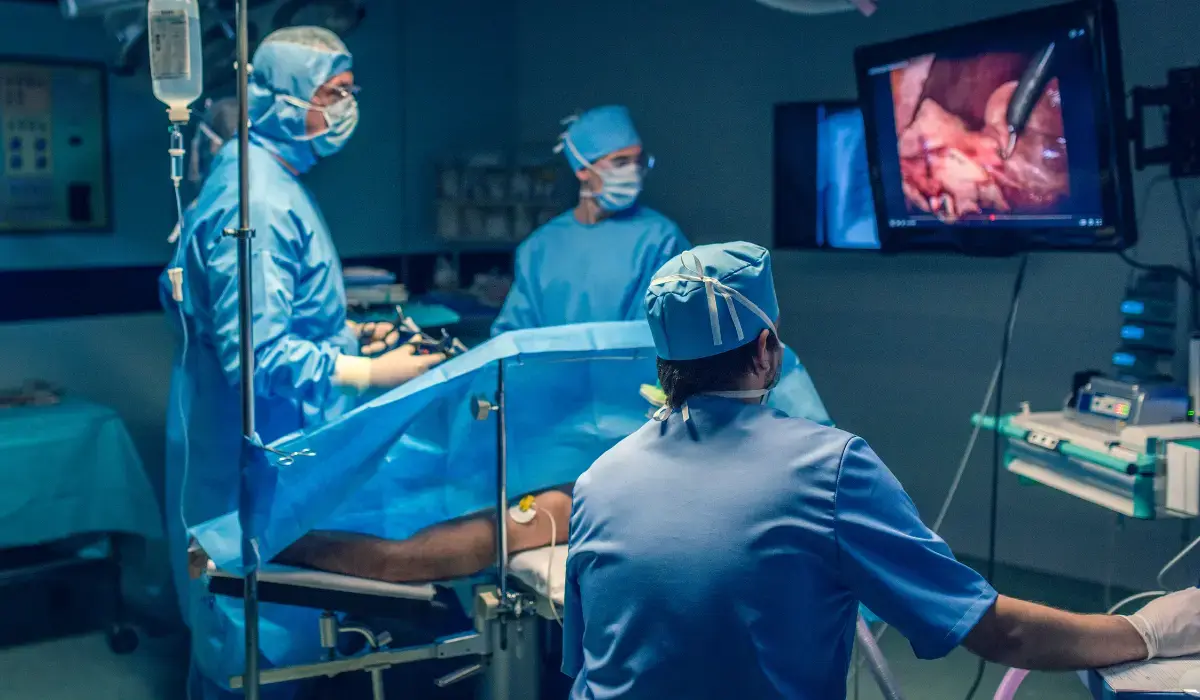
Open heart surgery in Bangladesh is a common treatment for serious heart conditions such as blocked arteries, valve problems, and congenital defects. It is performed at leading hospitals like NICVD, National Heart Foundation, Ibrahim Cardiac, and several private hospitals with experienced cardiac surgeons. The cost is comparatively lower than many other countries, making Bangladesh a reliable option for patients seeking quality heart surgery and post-operative care.
Md. Abdus Sabur
কালের কণ্ঠে প্রকাশিত হলো Doctor Dorkar
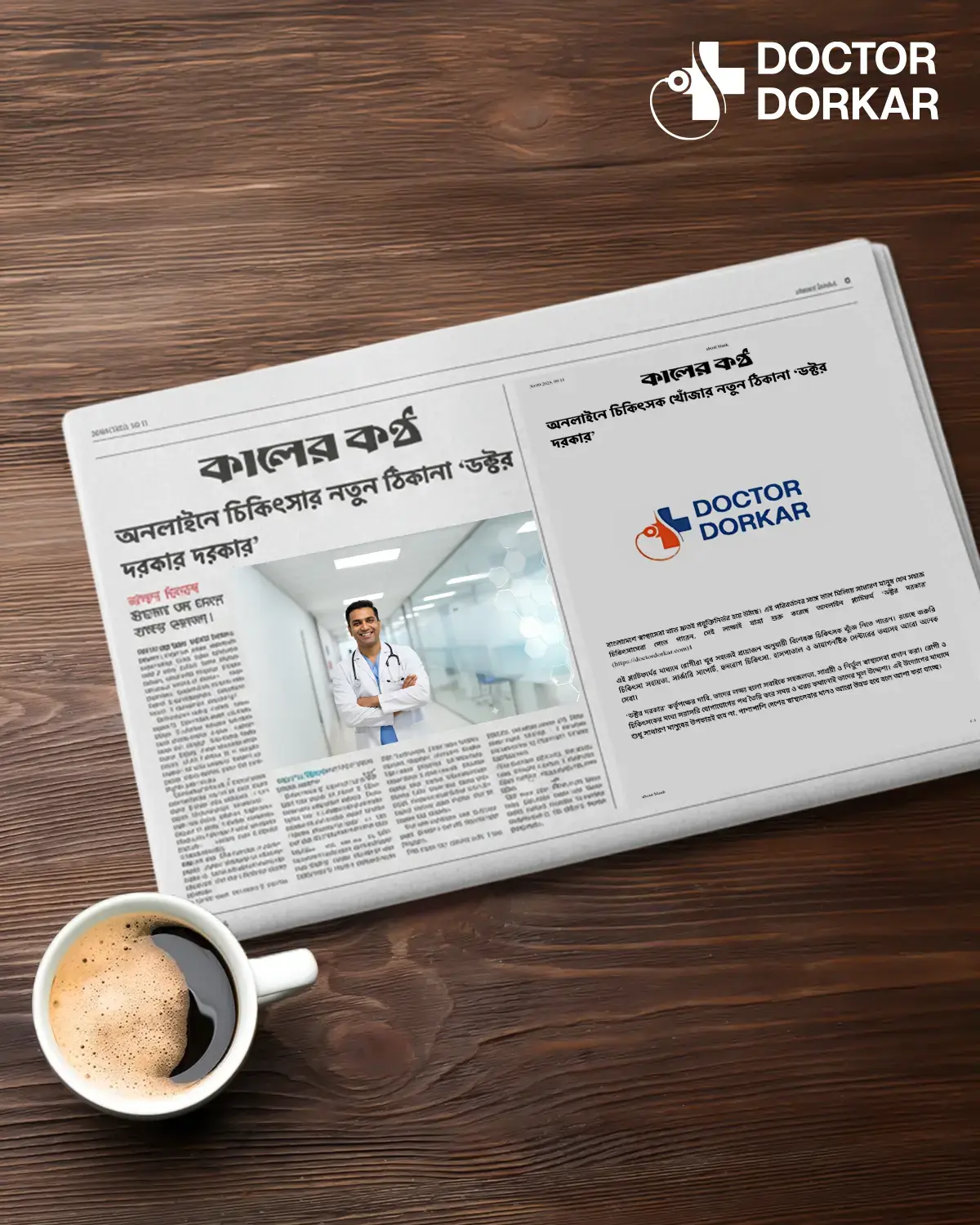
বাংলাদেশে স্বাস্থ্যসেবার মানোন্নয়ন এবং প্রযুক্তি নির্ভর সেবা সহজলভ্য করার লক্ষ্য নিয়ে যাত্রা শুরু করেছে Doctor Dorkar। এই পথচলার একটি বড় স্বীকৃতি হিসেবে সম্প্রতি দেশের শীর্ষস্থানীয় দৈনিক কালের কণ্ঠ পত্রিকায় Doctor Dorkar নিয়ে একটি বিশেষ প্রতিবেদন প্রকাশিত হয়েছে।
Assoc. Prof. Dr. Raisul Islam
Gallbladder Stone Operation: A Complete Guide to Surgery, Cost, Tests, and Alternatives
Gallbladder stones, also known as gallstones, are a common medical condition that can cause significant discomfort and complications if left untreated. When symptoms become severe or complications arise, a gallbladder stone operation—medically known as cholecystectomy—becomes the most effective treatment.

Md. Abdus Sabur
Health Checkup Test Items Name, Package Details and Package Cost
A Health Checkup helps you find out if you have a particular disease or condition. Sometimes, individuals may not show any signs of symptoms or disease. Health Checkup, followed by treatment and control of the condition can result in a good outcome and lowers the risk of having serious diseases.
Md. Abdus Sabur
ICU Hospital in Dhaka: Best ICU Services, Facilities & Cost Guide 2026
An Intensive Care Unit (ICU) is a highly specialized section of a hospital designed for patients with severe or life-threatening illnesses or injuries. These units are staffed with trained intensivists, nurses, and technicians who provide round-the-clock care.
Md. Abdus Sabur
The Best Surgery Doctors in Uttara – Expert Surgeons You Can Trust
Finding the best surgery doctor in Uttara can feel overwhelming, especially when someone needs skilled, dependable, and experienced hands for a critical procedure. Uttara, one of Dhaka’s fastest-growing healthcare hubs, is home to many highly qualified surgeons with decades of clinical expertise, advanced training, and strong reputations in their respective fields.
Md. Abdus Sabur
Expert Laparoscopic Surgeon in Uttara: Advanced Minimally Invasive Surgical Care
Uttara has emerged as one of Dhaka’s most well-planned and rapidly developing residential areas, with modern healthcare facilities growing alongside it. Among the most sought-after medical services in this region is minimally invasive surgery, particularly laparoscopic procedures. Choosing a qualified laparoscopic surgeon in Uttara is an important decision for patients seeking safe, effective, and faster recovery-focused surgical treatment.
Md. Abdus Sabur
Best Colorectal Surgeon in Uttara – A Comprehensive Guide for Patients
When it comes to colorectal health, finding an experienced and reliable surgeon is paramount. Residents of Uttara, one of Dhaka’s largest and most dynamic neighborhoods, often seek local specialists for conditions like piles (hemorrhoids), fistulas, anal fissures, colorectal cancer, and other colorectal disorders.
Md. Abdus Sabur
The Best Cardiac Surgeons in Bangladesh - Verified Heart Specialists
A cardiac surgeon is a highly trained medical professional who specializes in performing surgeries related to the heart and major blood vessels. These surgeries are often complex and require years of education, training, and hands-on experience.

Md. Abdus Sabur
The Best Neurologists in Dhaka for Expert Neurology Treatment
Dhaka has many experienced neurology specialists with national and international training. Below are some of the most recognized neurologists based on qualifications, experience, and hospital affiliations.
Md. Abdus Sabur
Best Gynecologists in Dhaka | Gynecology & Obstetrics Specialist List
Women’s health requires specialized medical care at every stage of life. From menstrual problems and pregnancy care to infertility, high-risk pregnancy, gynecological cancer, and reproductive health concerns, choosing an experienced gynecologist is important for proper diagnosis and treatment.

Md. Abdus Sabur
The Best Medicine Doctors in Mirpur Dhaka for Quality Healthcare
When searching for a trusted medicine doctor in Mirpur Dhaka, choosing a qualified and experienced physician is essential for accurate diagnosis, effective treatment, and long-term health management.
Md. Abdus Sabur
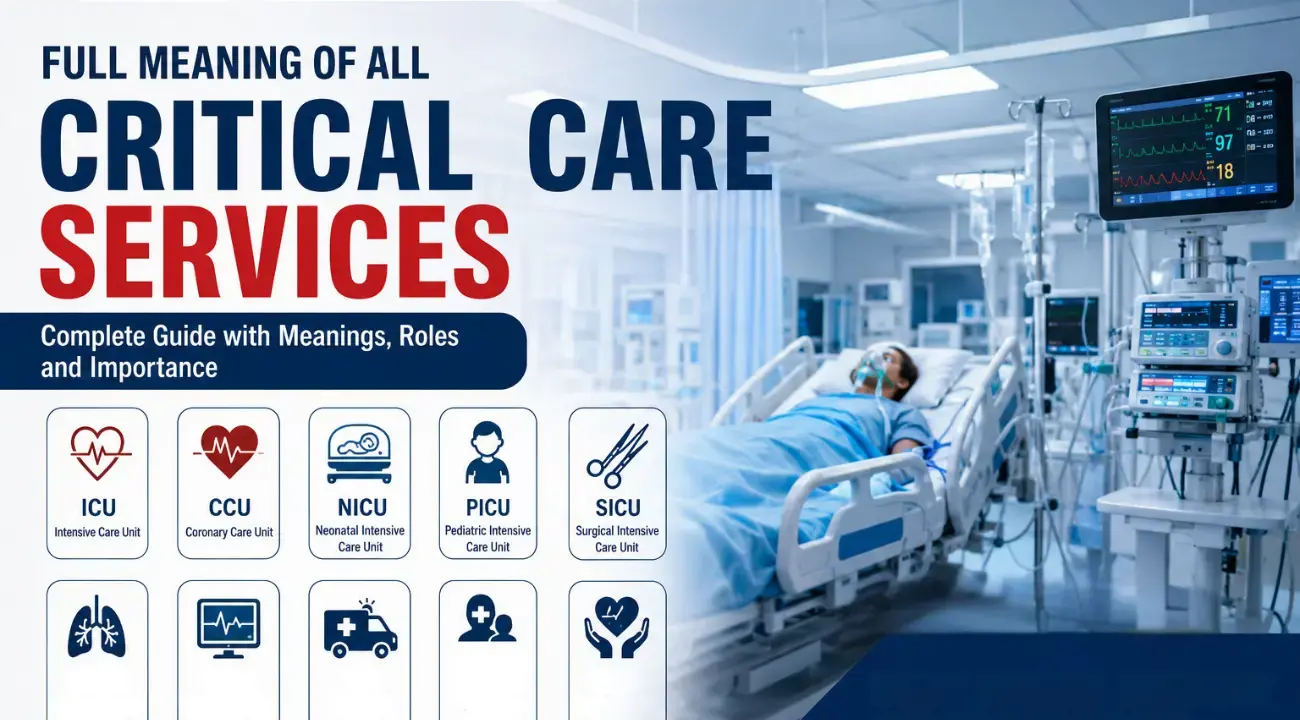
Full Meaning of All Critical Care Services in Hospitals
When a patient faces a serious illness or emergency condition, critical care services become extremely important. Many people hear terms like ICU, NICU, CCU, HDU, and SICU but do not fully understand what these medical departments actually mean. In this guide, we explain the full meaning of all major critical care services, their functions, and when patients may need them.
Share Your Feedback
Share your thoughts and feedback with our community
No comments yet
Be the first to share your thoughts!